

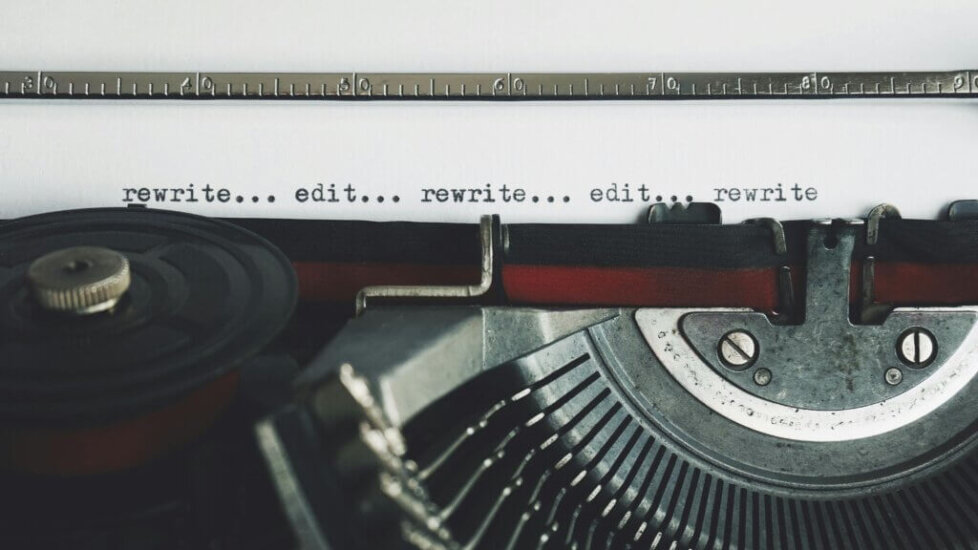
Writing is a craft, and like any craft, it requires both creativity and skill. One of the most crucial skills in the writer’s toolbox is the ability to self-edit effectively. Self-editing is the process of refining and polishing your writing to ensure clarity, coherence, and effectiveness. While it may seem daunting at first, mastering the art of self-editing can elevate your writing to new heights and make your words truly shine.
Start with Distance: Before diving into the editing process, it’s essential to create some distance between yourself and your writing. Put your work aside for a while—ideally, a few hours or even a day—so you can return to it with fresh eyes and a clear mind. This distance will help you approach your writing more objectively and identify areas that need improvement more effectively.
Focus on Structure and Flow: Once you’ve regained some perspective, begin by examining the overall structure and flow of your piece. Does it have a clear introduction, body, and conclusion? Are the ideas logically organized and presented in a cohesive manner? Pay attention to transitions between paragraphs and sections to ensure a smooth and seamless progression of ideas.
Check for Consistency: Consistency is key to maintaining coherence and credibility in your writing. Pay close attention to elements such as spelling, grammar, punctuation, and formatting to ensure uniformity throughout your piece. Keep an eye out for any inconsistencies in style, tone, or voice, and make necessary adjustments to maintain a cohesive narrative.
Polish for Clarity and Precision: One of the primary goals of self-editing is to ensure that your writing is clear, concise, and easy to understand. Read your work aloud or have someone else read it to you to identify any awkward or confusing passages. Clarify ambiguous statements, eliminate jargon or technical language where possible, and strive for precision in your choice of words and phrasing.
Seek Feedback: While self-editing is an invaluable skill, it’s also essential to recognize the limitations of self-assessment. Don’t hesitate to seek feedback from trusted peers, mentors, or writing groups to gain fresh perspectives and valuable insights into your work. Constructive criticism can help you identify blind spots, refine your ideas, and strengthen your writing overall.
Embrace the Process: Self-editing is not a one-and-done task but rather an ongoing process of refinement and improvement. Embrace the iterative nature of writing and editing, and don’t be afraid to revisit your work multiple times to make incremental changes and enhancements. Remember that even the most seasoned writers rely on editing to polish their prose and perfect their craft.
Mastering the art of self-editing is a skill that takes hard work and perseverance. By approaching your writing with a critical eye and a willingness to revise and refine, you can elevate your work to new levels of clarity, coherence, and effectiveness. So, roll up your sleeves, sharpen your pencils, and dive into the rewarding journey of self-editing—it’s where the magic happens.
About the Author
 Catie-Reagan King is the Membership Director at James River Writers. She is an experienced editor and writer whose writing has been featured in Higher Education Quarterly, Dialogue: The Interdisciplinary Journal of Popular Culture and Pedagogy, and Jaden Magazine.